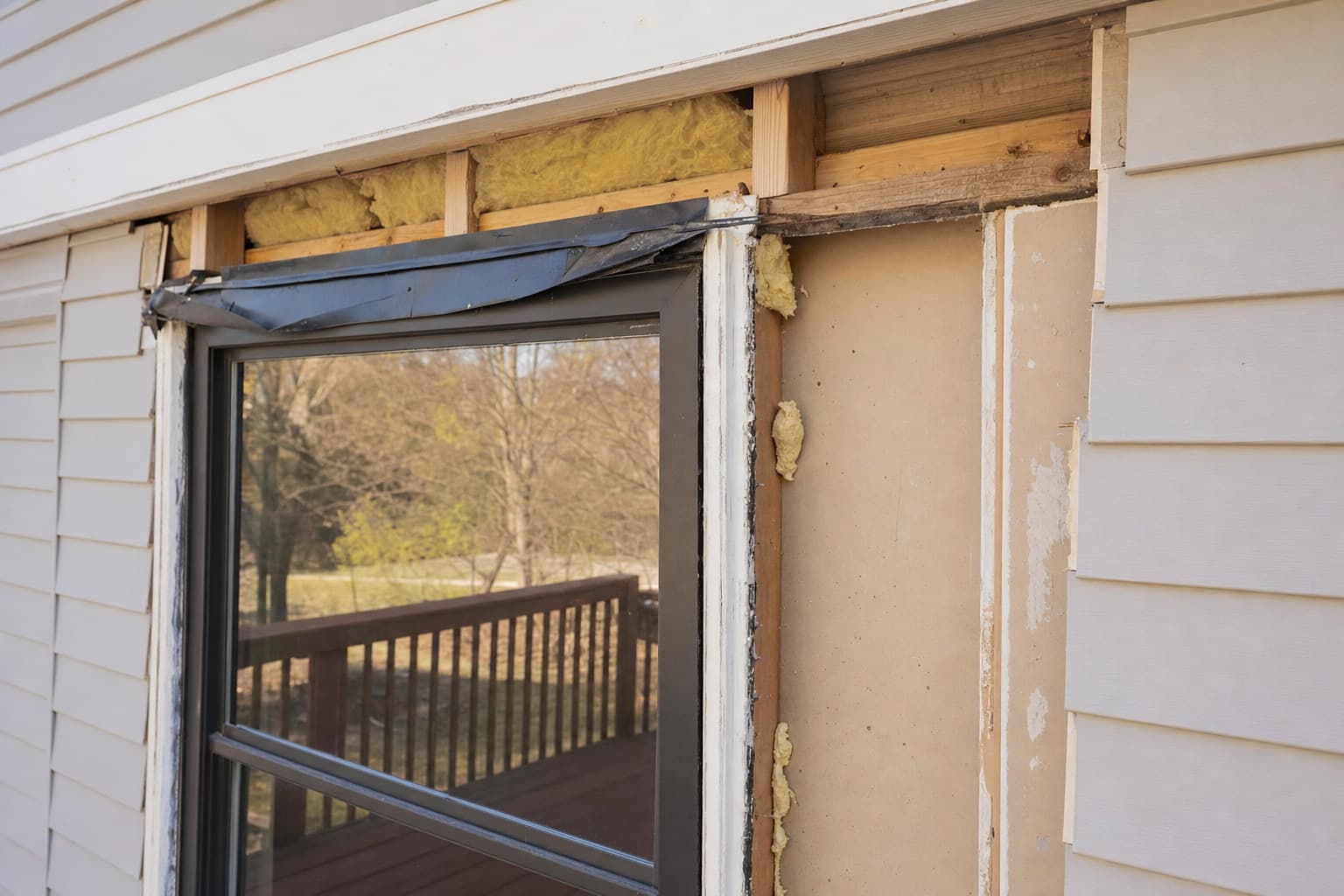
Before you can sue a contractor for bad work, you need a documented record of the defects, the contract, the money paid, and the notice you gave, because a claim without proof is just a story.
Start With What You Actually Have to Prove
A lawsuit or a small claims filing is not won by being upset about bad work. It is won, or at least heard fairly, on the strength of what you can show. That means a paper and photo trail that connects the contract you signed, the money you paid, the work that was done, and the specific ways it fell short of what was promised. Before you think about filing anything, your job is to build that record.
This post is general information, not legal advice, and it does not tell you what a court or an arbitrator will decide. What follows is the order in which most homeowners in this position need to gather their materials.
The Documents to Pull First
- 1The signed contract, plus any amendments, showing the scope of work, the price, and the schedule.
- 2Any schedule of values or payment schedule that breaks the contract sum into line items or draws.
- 3Every change order, meaning a written and signed change to scope, price, or time, whether or not the contractor called it that on paper.
- 4Proof of payment: canceled checks, bank transfers, credit card statements, or receipts for cash paid.
- 5Any permit records or inspection reports tied to the job, pulled from your local building department.
- 6Correspondence with the contractor, including texts, emails, and any written punch list either side put together listing items to complete or correct before final payment.
If some of this never existed in writing, such as a verbal change order, note down what you remember, when it happened, and who was present. It will not carry the same weight as a signed document, but a dated note is better than a memory reconstructed months later.
Document the Defects Themselves
Photos and notes of the actual bad work matter as much as the contract. For each defect, you want a photo that shows the problem clearly, ideally with something for scale, plus a note of the date, the location in the house, and what is wrong in plain language. If the same issue shows up in multiple rooms, such as poor trim work or uneven paint, document each instance separately rather than describing it once and hoping it covers the rest.
- A wide shot showing the defect in context, such as the whole wall or room.
- A close-up showing the specific problem, such as a gap, a crack, or a fastener showing through drywall.
- A note of when you first noticed it and whether it has gotten worse.
- Any estimate you have gotten from another contractor to fix or complete the work.
Notice You Likely Need to Give Before Filing
On most jobs, and often as a practical matter regardless of the contract, the contractor gets a chance to see the punch list and respond before anyone escalates. Sending a clear, dated written notice of the defects, ideally with your documentation attached, does two things: it gives the contractor a fair chance to fix the problem, and it creates a record that you raised the issue promptly rather than months later.
Many states set specific notice requirements, deadlines, and waiting periods before a construction dispute can be filed, particularly for defect or warranty claims and for mechanics lien claims, which are claims against the property itself for unpaid work or materials, created by state statute. These rules differ significantly from state to state, so check the requirements for the state where the property sits, or talk to a lawyer licensed there, before you send anything you intend to rely on later.
Deciding Where the Claim Belongs
Once you have your documentation and have given notice, the next question is usually where a claim would even be filed: small claims court, a state civil court, or arbitration, if your contract has an arbitration clause. Each path has its own dollar limits, its own procedures, and its own deadlines, all set by the state where the property is located, and none of that is something a general guide can state as fact for your situation.
Whatever you choose, substantial completion, meaning the point at which you could use the space for its intended purpose, is often a key date in these disputes. Knowing when that happened, and being able to show what was still wrong at that point, matters more than most other facts in the file.
Before You File Anything
- Organize your documents by category: contract, payments, change orders, correspondence, defect photos and notes.
- Get at least one independent estimate for the cost to fix or complete the disputed work.
- Confirm the notice requirements and filing deadlines for the state where the property sits.
- Keep a daily log going forward if the work is ongoing, recording who was on site, what was done, deliveries, and weather.
- Decide whether the amount in dispute fits a small claims filing or needs a different court.