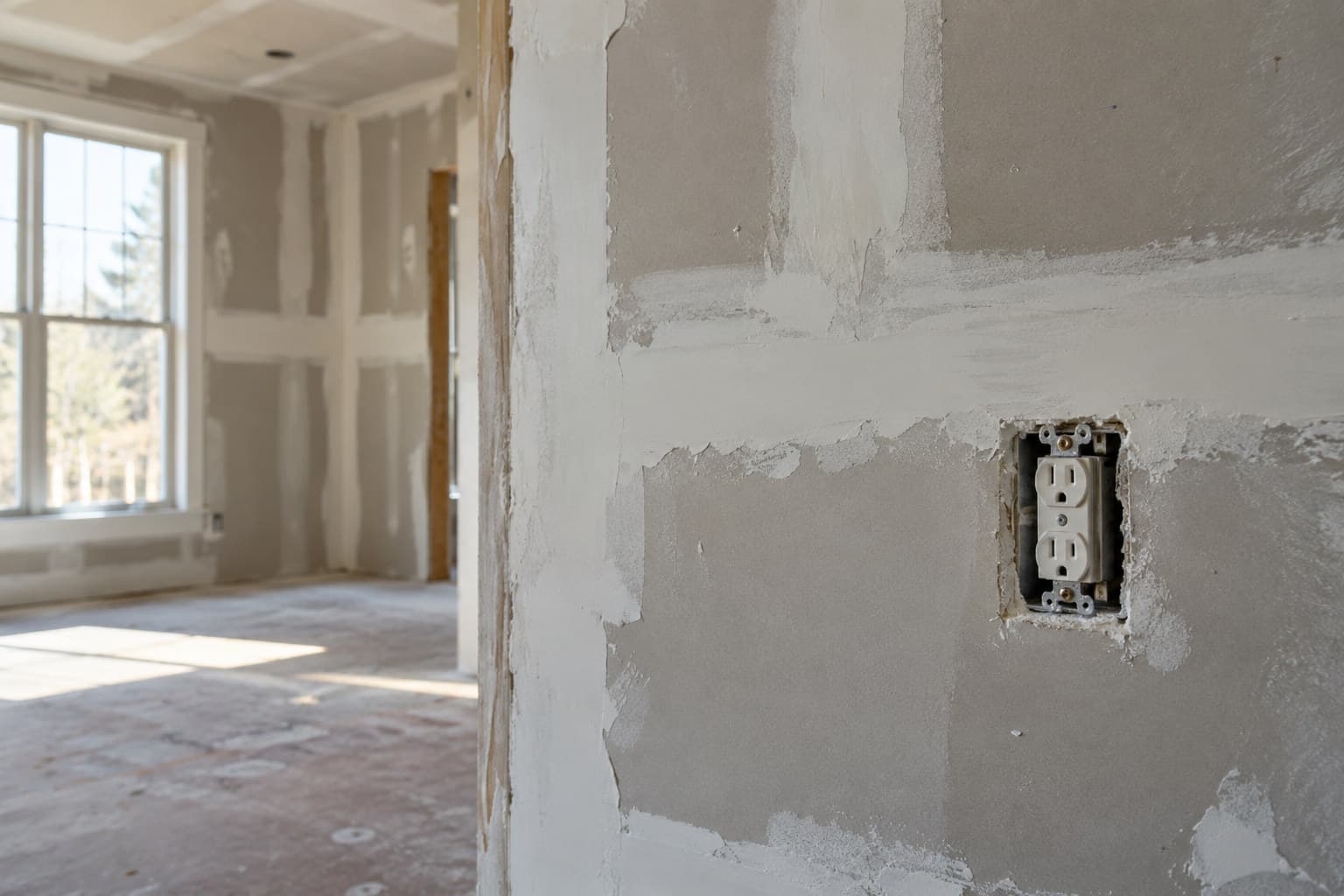
Filing a claim against a contractor means building one organized bundle of evidence first, because that same bundle works whether you end up in small claims, arbitration, a licensing board complaint, or a mechanics lien filing.
Why the venue matters less than you think
Homeowners searching for how to file a claim against a contractor usually want a single clear path. The honest answer is that the path depends on your contract, your state, and the dollar amount involved. Some contracts require arbitration or mediation before a lawsuit. Some disputes are small enough for small claims court. Some involve unpaid work serious enough that a mechanics lien is on the table. Licensing boards are another route entirely, separate from money damages.
The good news is that whichever venue you end up in, the underlying preparation is nearly identical. Build the bundle first. Decide the venue second, ideally with guidance from someone licensed in your state.
What goes in the bundle
Every venue, from a small claims clerk to an arbitrator to a licensing board, wants the same basic proof: what was promised, what was delivered, and what it will cost to fix or finish.
- The signed contract and any scope of work or schedule of values attached to it
- Every change order, signed or not, including texts and emails that changed price, time, or scope
- Photos and video of the defect or incomplete work, dated and ideally tied to a specific location in the property
- A punch list or written notice you gave the contractor describing what needed to be corrected before final payment
- Daily logs or notes showing who was on site and when, if you kept any
- Invoices, payment records, and any lien waivers you signed
- Written estimates from another contractor for the cost to correct or complete the work
Document the defects like you mean it
Vague complaints lose credibility fast. A claim that says the kitchen was not finished right is weaker than one that lists twelve specific items, each with a photo, a location, and a plain description of what is wrong and why it matters.
This is where a walkthrough app can help. SayScope lets you photograph each defect, circle the problem area on the photo, and record a short voice note explaining what is wrong, right there on site. The app groups everything into a report by room and by trade, which is exactly the organized format a small claims clerk, an arbitrator, or a licensing board reviewer wants to see. Walkthroughs are unlimited and free, and each account can send one report a week at no cost, which covers most single-property disputes.
Give the contractor a chance to respond first
On most jobs, before any formal claim, it helps to send the contractor a written notice describing the defects and a reasonable chance to correct them. Many contracts require this step, and many states expect it before certain claims can even move forward. Keep a copy of whatever you send and any response you get, dated and in writing.
If the contractor corrects the items, update your punch list and keep photos of the completed fix. If they do not respond or the work is not corrected, that written notice becomes part of your bundle.
Matching the bundle to a venue
Once the bundle is built, a local attorney or your state’s consumer protection office can help you figure out which venue fits. Small claims courts generally handle disputes under a dollar limit that varies by state and do not require a lawyer. Arbitration may be required if your contract has an arbitration clause. A mechanics lien is a claim against the property itself for unpaid work or materials, created by state statute, and it comes with its own strict timing. Licensing board complaints are usually free to file but typically do not result in money paid to you directly.
Lien rights, notice requirements, filing deadlines, warranty periods, and small claims dollar limits are all set by each state’s own law and differ significantly from one state to the next. Check the specific rules for the state where the property sits, or ask a lawyer licensed there, before you choose a venue or rely on any deadline.
If the project is still ongoing
Sometimes the dispute surfaces mid-project rather than after the contractor has left. In that case, a formal punch list tied to substantial completion, the point at which you can use the space for its intended purpose, gives both sides a shared reference point before final payment changes hands. If you need a second report in the same week, or the project has more than a handful of defects, a paid plan removes the weekly cap and the ten item limit on a single report.