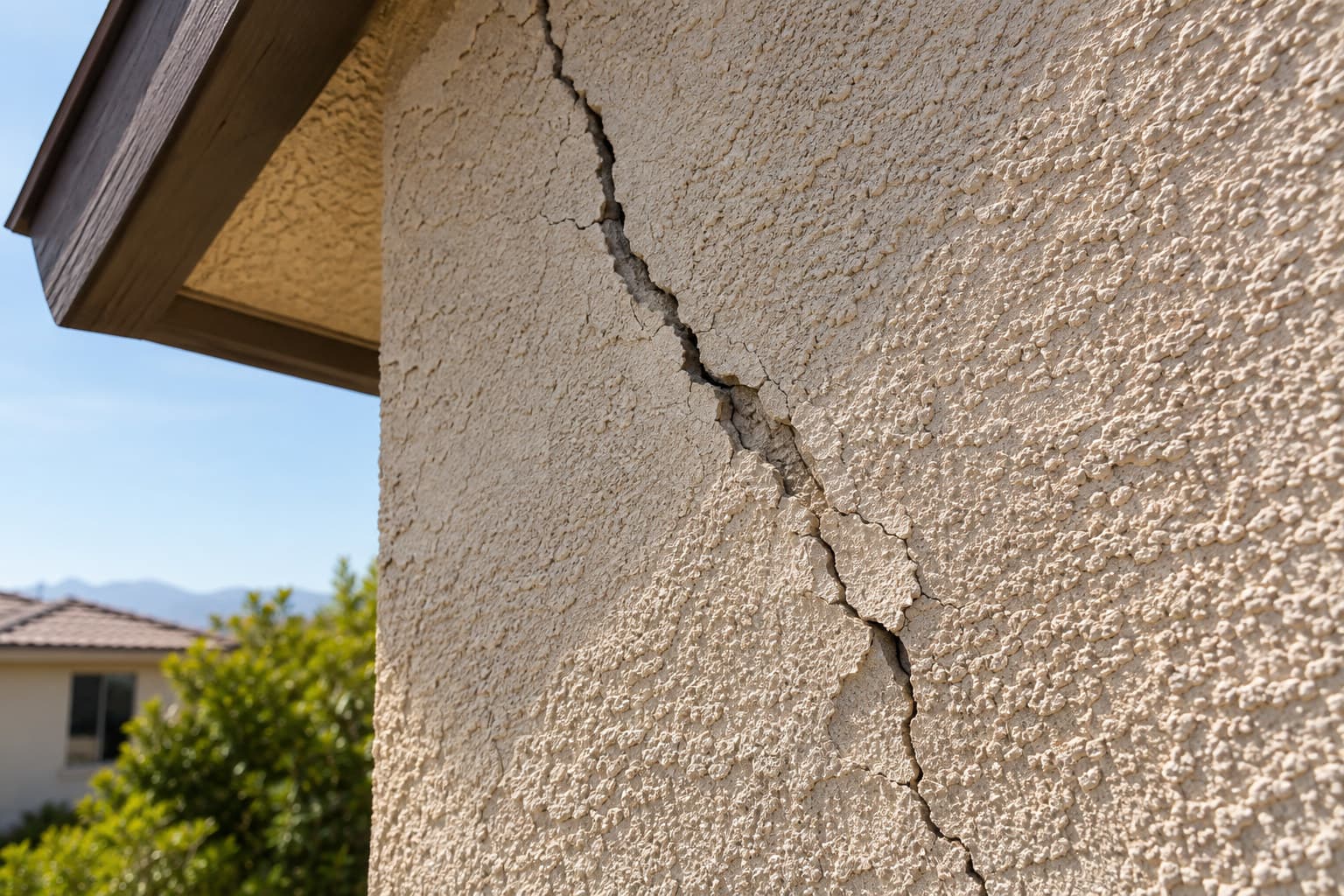
A construction defect claim rests on three things: a contract or code standard that was not met, a defect that can be shown, and evidence that connects the two.
What a defect claim actually rests on
A construction defect claim is not just a complaint that something looks wrong. It is an argument with three parts. First, there has to be a standard the work was supposed to meet, usually the contract, the plans and specifications, or a building code adopted where the property sits. Second, there has to be a defect, meaning the work fell short of that standard, whether that is a leak, a crack, a system that does not perform, or a finish that does not match what was agreed. Third, there has to be evidence that ties the defect to the work in question, showing what it looked like, when it appeared, and how it connects back to the contractor’s scope.
Homeowners often focus only on the second part, the defect itself. But a claim that cannot show the standard or the evidence tends to stall, regardless of how real the problem is.
The photographs that carry the claim
Photographs are usually the strongest evidence a homeowner can gather on their own, and they carry more weight when they do more than show damage.
- Wide shots that show the defect in context, such as the whole wall or room, not just a close crop
- Close shots that show detail, like the width of a crack or the gap in a seal
- A consistent reference point, such as a tape measure or a corner of the room, so scale is clear
- The date the photo was taken, ideally captured automatically rather than written by hand
- Photos taken over time if the defect is changing, such as a stain spreading or a crack widening
It also helps to note where the defect is by room, since a defect claim is often organized that way when it moves toward a contractor, an insurer, or a dispute process. A punch list style record, where each defect is logged with a photo and a location, tends to travel better than a folder of loose images.
Building the record before you need it
Most defect claims are stronger when the documentation started before the dispute did. That means photographing issues as they are found during a walkthrough, not waiting until the relationship with the contractor has broken down.
- 1Walk the property room by room and photograph anything that looks off, even if it seems minor
- 2Say out loud or write down what is wrong with each item as you photograph it, so the description is not reconstructed later from memory
- 3Group the photos by room and by trade, since plumbing, electrical, and framing issues often need to go to different parties
- 4Keep copies of the contract, the schedule of values if one exists, and any change orders signed during the project
- 5Save any daily logs, emails, or texts where the issue was raised with the contractor
What happens after the record exists
Once a defect is documented, homeowners commonly send it to the contractor first, often through a punch list or a written notice describing the issue and asking for correction. Many contracts and most trade practice call for this step before anything more formal happens.
If the contractor does not respond or the correction is not adequate, the next steps can include a formal notice, a mechanics lien filed by the contractor or a subcontractor if payment is disputed, an insurance claim, or a small claims or civil filing. Which of these apply, and what timing they run on, depends entirely on the state where the property sits.
Why this is state law, not one national rule
Lien rights, notice requirements, filing deadlines, warranty periods, and small claims limits are all set by each state’s own law, and they differ from state to state. A step that is required in one state may not apply in another, and a deadline that matters in one state may run differently elsewhere. Before relying on any timeline or filing requirement, check the rules for the state where the property is located, or ask a lawyer licensed there.
This post is general information, not legal advice, and it is not a substitute for reviewing your contract or speaking with someone licensed in your state.