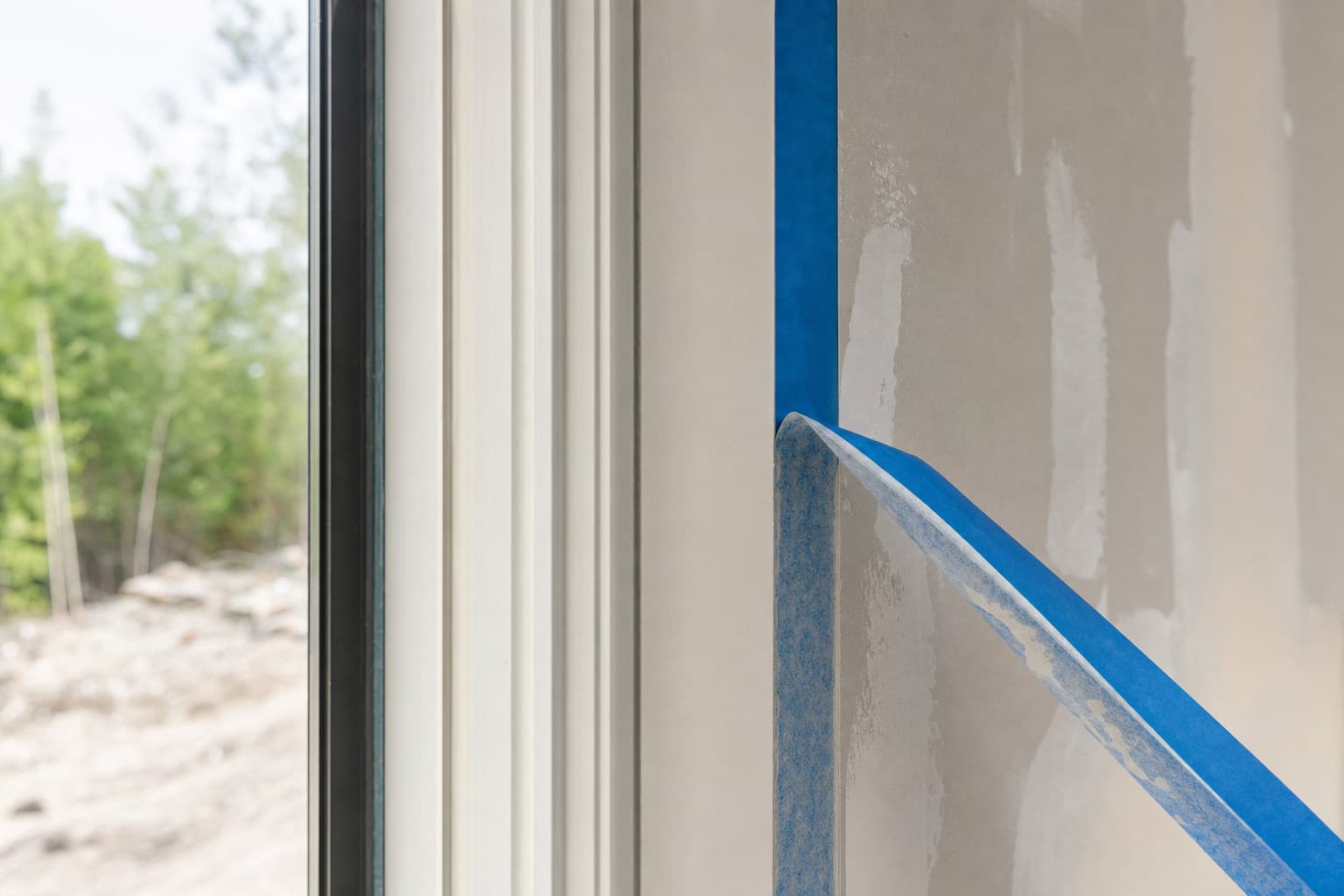
A blue tape walkthrough only works for as long as the tape stays stuck, so the real fix is to back every piece of tape with a photo and a note before you leave the room.
Why blue tape walkthroughs fall apart
The blue tape walkthrough is a familiar ritual on new construction and remodel jobs. You walk the property with a roll of painter’s tape and mark every defect: a scuffed baseboard, a cabinet door that will not close, a window that will not lock. It works in the moment because everyone can see the flags.
The trouble starts after you leave. Blue tape is not built to last on primed drywall, cold glass, or textured stucco. HVAC runs, doors get propped open, and humidity swings through the week. Tape lifts at the corners and drops off. A subcontractor sweeps up the ones on the floor. By the time anyone circles back, half the flags are gone and nobody remembers which door was which.
None of that means the defect went away. It means your only record of it did.
What actually survives the week
Tape is a pointer, not a record. If the tape is the only thing marking a problem, the problem stops existing the moment the tape does. The fix is to pair every piece of tape with something that does not fall off the wall.
- A photo of the defect taken close enough to read it clearly
- A circle or arrow drawn on that photo, not just a flag next to it in real life
- A short spoken or written note naming the room, the item, and what is wrong
- A record you can pull up later without depending on the tape still being there
Once you have that, the tape becomes optional. It is a nice-to-have for anyone walking the space in person that day, but it is not carrying the weight of your punch list anymore.
Walking the property so nothing gets lost
A little order at the time of the walkthrough saves a lot of reconstruction later.
- 1Photograph the defect before you tape it, so the photo shows the unmarked condition too
- 2Tape it if you want a visual flag for people walking the space that day
- 3Circle or mark the defect on the photo itself, not just in the room
- 4Say out loud or write down the room, the trade responsible, and what needs to happen
- 5Move to the next item and repeat, room by room
Grouping by room as you go, and letting the trade sort itself out afterward, keeps the walkthrough moving without slowing down to organize on the spot.
Turning a tape walk into a written punch list
At some point the photos and notes need to become a punch list that a contractor or a homeowner can actually work from. On most jobs, that means a written list organized by room, with each item tied to the trade that handles it, so a painter is not waiting on a plumbing item to get resolved before their portion is signed off.
This is also the point where a phone can do more than a roll of tape. Walking the property, photographing each defect, circling it on the photo, and recording a short note produces a report that groups items by room and by trade automatically. Walkthroughs are free and unlimited, and each account can send one report a week at no cost, which covers most single-property walkthroughs. A bigger walkthrough, or a second report needed the same week, calls for a paid plan, priced monthly, yearly, or as a single report.
When the list needs to hold up later
A punch list is commonly understood as the items to complete or correct before final payment, and substantial completion is the point at which the space can be used for its intended purpose. If a dispute drags past the walkthrough, having dated photos and specific notes for each item matters more than any tape ever did.
If unresolved items ever turn into a lien question, a warranty claim, or a small claims filing, the deadlines, notice requirements and dollar limits involved are set by each state’s own law and vary from state to state. Check the rules for the state where the property sits, or talk to a lawyer licensed there. This post is general information, not legal advice, and it is not telling you what any inspector, contractor or court will decide.