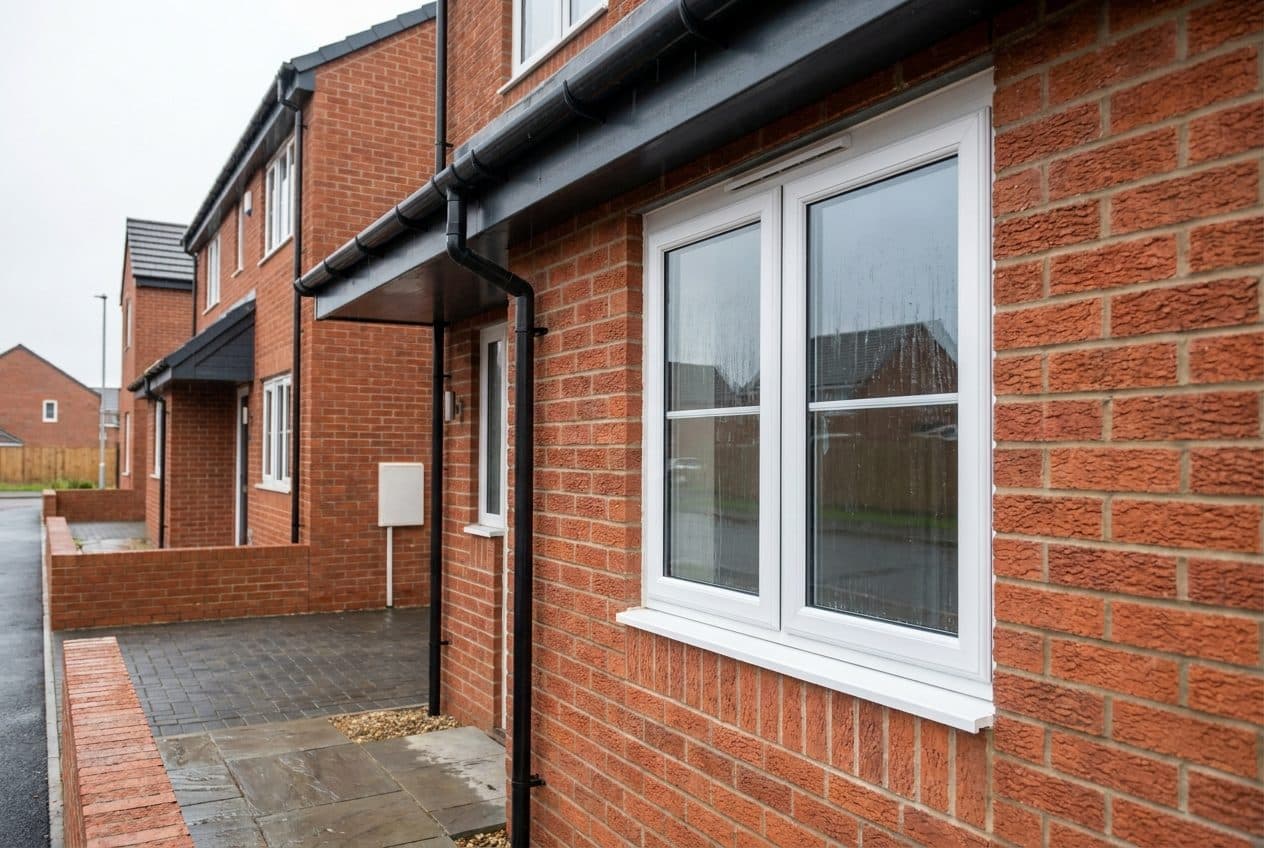
A snagging list is a written and photographed record of every defect found in a property, usually a new build, so that whoever is responsible can be asked to put them right.
What a snagging list actually is
A snagging list is a room-by-room record of defects found in a property, each one described, located and usually photographed, so the person responsible for fixing it knows exactly what and where. On a new build it is typically drawn up in the weeks around legal completion. On a renovation it might be produced at the end of the works, before final payment.
The word ‘snag’ just means a small fault or imperfection. A snagging list is the collected record of those faults, organised so someone can work through it methodically rather than chasing loose notes and text messages.
Each entry generally needs three things to be useful: what is wrong, exactly where it is in the property, and some evidence such as a photo. A note that just says ‘bathroom needs looking at’ is far less useful to a site manager than one that says ‘grout missing along the bath edge, en suite, first floor’.
What belongs on a snagging list
A snag is something that falls short of how the property was meant to be finished or built. Common entries include:
- Paintwork: missed patches, drips, mismatched colours between coats
- Doors and windows that stick, do not close flush, or have damaged seals
- Tiling: uneven grout lines, missing sealant, hollow-sounding tiles
- Plasterwork: cracks beyond normal shrinkage, uneven finishes, nail pops
- Electrics: sockets, switches or extractor fans that do not work
- Kitchen and bathroom fittings: misaligned doors, scratched worktops, chipped sanitaryware
- External finishes: pointing, render, guttering, damaged brickwork
- Flooring: gaps, scratches or uneven laying
The common thread is that these are things that should have been done properly at handover and were not, rather than things that changed later through normal use.
What does not belong on a snagging list
A snagging list is not the place for everything that bothers you about a property.
- Design choices, such as socket positions or layouts you agreed at build stage but now wish were different
- General wear and tear that appears after you have been living in and using the property
- Disputes about the sale itself, service charges, or boundaries, which sit outside the physical condition of the finish
- Serious structural or safety concerns. These need to be flagged separately and urgently rather than left buried in a general list alongside paint touch-ups
When a snagging list gets used
Timing matters. Under the New Homes Quality Code Version 2 (March 2026), a buyer has the right to a pre-completion inspection, and can appoint a professional from a recognised body such as CABE, CIOB, ICWCI, RICS or RPSA with professional indemnity insurance, or carry it out themselves using the NHQB checklist. Where issues found breach the warranty’s technical standards, the code sets out that the developer addresses them ideally before legal completion, or within 30 days after.
Many buyers also walk the property again a few months after moving in, once appliances have been used and rooms lived in properly, to pick up anything that only shows itself with everyday use rather than at a single inspection.
How to put a snagging list together
Whether you do it yourself or bring in a professional, a snagging list works best organised by room and by trade, so a plumbing issue is not buried in a page of paint notes. A short note, a photo, and a clear location for each defect is usually enough for the report to be actionable.
SayScope is built around this process: you photograph the defect, circle it on the photo, describe it by voice, and leave with a report already grouped by room and trade, whether you are doing the walk yourself or working alongside a professional.