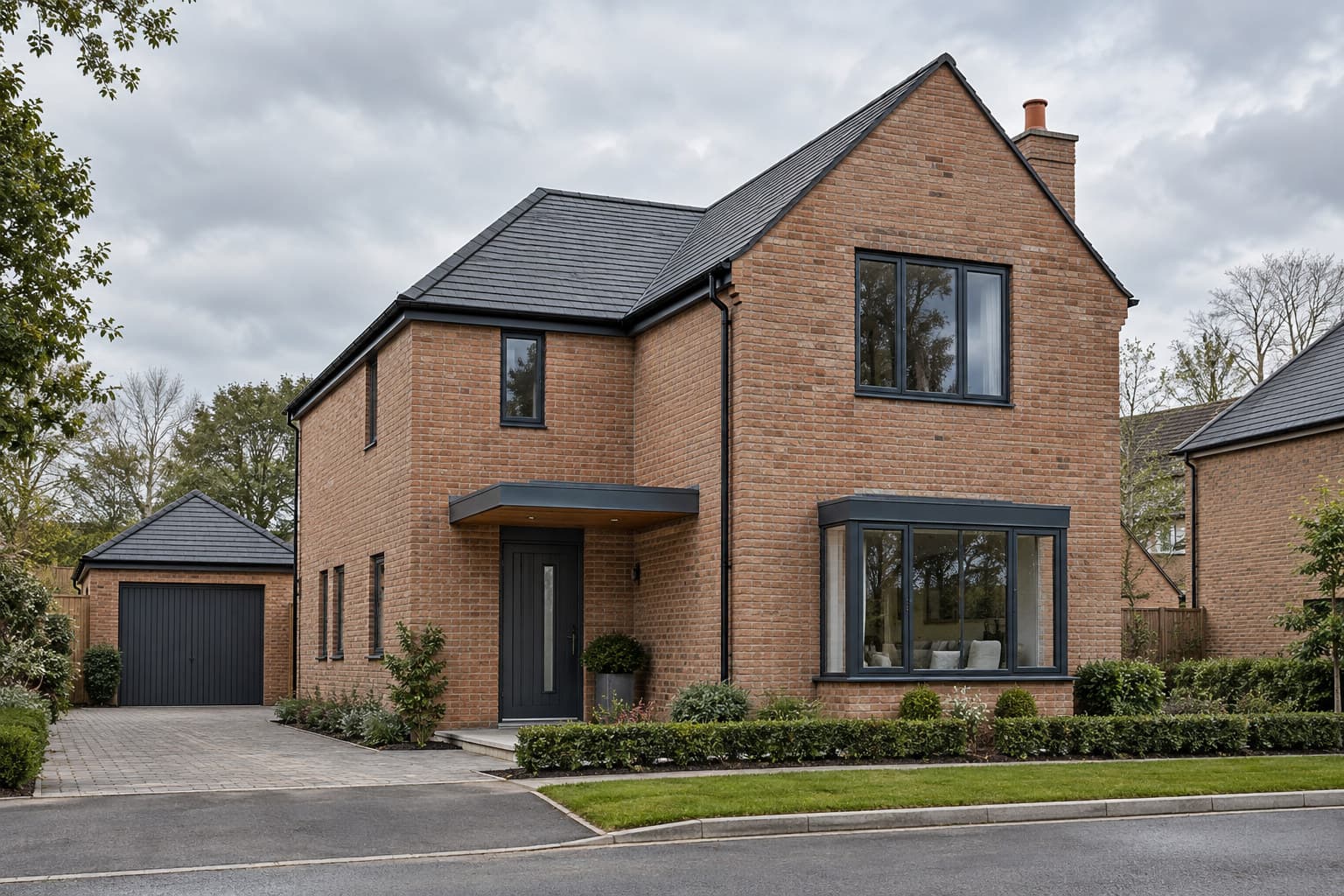
A snagging survey near you does not need to come from a local directory listing; it needs a qualified surveyor or your own careful inspection, and that works the same way whether you are in Leeds or Looe.
Why ’near me’ is the wrong first question
Typing ’snagging survey near me’ usually turns up local directory pages that list the same few firms with different town names swapped in. What actually matters is not geography, it is who is carrying out the inspection and what method they use. A snagging survey is a structured walk of the property looking for defects: poor finishes, incomplete work, damage, or things that do not match the specification or building regulations. That process is identical whether the surveyor is based five miles away or fifty.
Instead of searching by location, decide first whether you want a professional to do it, or whether you are confident enough to do it yourself with a proper checklist and a camera.
Who can actually carry one out
Under the New Homes Quality Code Version 2 (March 2026), buyers of new build homes covered by the code have a right to a pre-completion inspection. You can appoint a professional from a recognised body such as CABE, CIOB, ICWCI, RICS or RPSA, provided they hold professional indemnity insurance, or you can carry out the inspection yourself using the NHQB checklist. Where the inspection finds issues that breach warranty technical standards, the developer is expected to address them, ideally before legal completion or within 30 days.
A professional snagging survey typically costs £300 to £600 depending on the size of the property. That range holds across the country, so a local quote well outside it is worth asking about.
Doing it yourself without a local firm
If you would rather not wait for a surveyor’s availability, or you want to inspect the property more than once as snags get fixed, you can run the walk yourself.
- 1Go room by room and photograph every defect, including the frame or edge of the room so the location is obvious later.
- 2Note the trade responsible where you can tell: plastering, electrics, joinery, and so on, since reports grouped by trade are easier for a site manager to action.
- 3Check standard snag points: window and door seals, paint finish and coverage, sockets and switches, flooring joins, external brickwork pointing, and loft access if applicable.
- 4Write down what is wrong in plain terms as you go rather than relying on memory afterwards.
- 5Keep a dated copy of everything in case you need to refer back to it during the defects liability period.
SayScope is built for this: you photograph the defect, circle it on the photo, hold a button and describe the fault, and the app produces a report grouped by room and by trade. Visits are free and unlimited, and each account gets one free report a week carrying up to 10 items. A larger visit, or a second report in the same week, needs a plan: £34.99 a month, £299 a year, or £19 for a single report in your own name.
What your warranty covers once you have moved in
If your home is covered by NHBC Buildmark, the builder is responsible for defects for two years from legal completion, and NHBC provides a free resolution service during that period if you cannot resolve an issue directly with the builder. After those two years, Buildmark provides eight years of insurance against specified structural defects, not general snagging items. That distinction matters: cosmetic and minor defects need to be raised and resolved early, ideally before or shortly after completion, not left for the structural insurance period.
When to get a professional instead of doing it yourself
A self-conducted inspection is reasonable for most new build snagging, particularly if you are methodical and photograph everything. Consider a professional surveyor if you are not confident identifying structural or building regulation issues, if the property is large or unusually complex, or if you want a report with standing that a developer is more likely to act on quickly. The NHQB checklist route and the professional route under the New Homes Quality Code are both valid; neither one is required to be local to you.