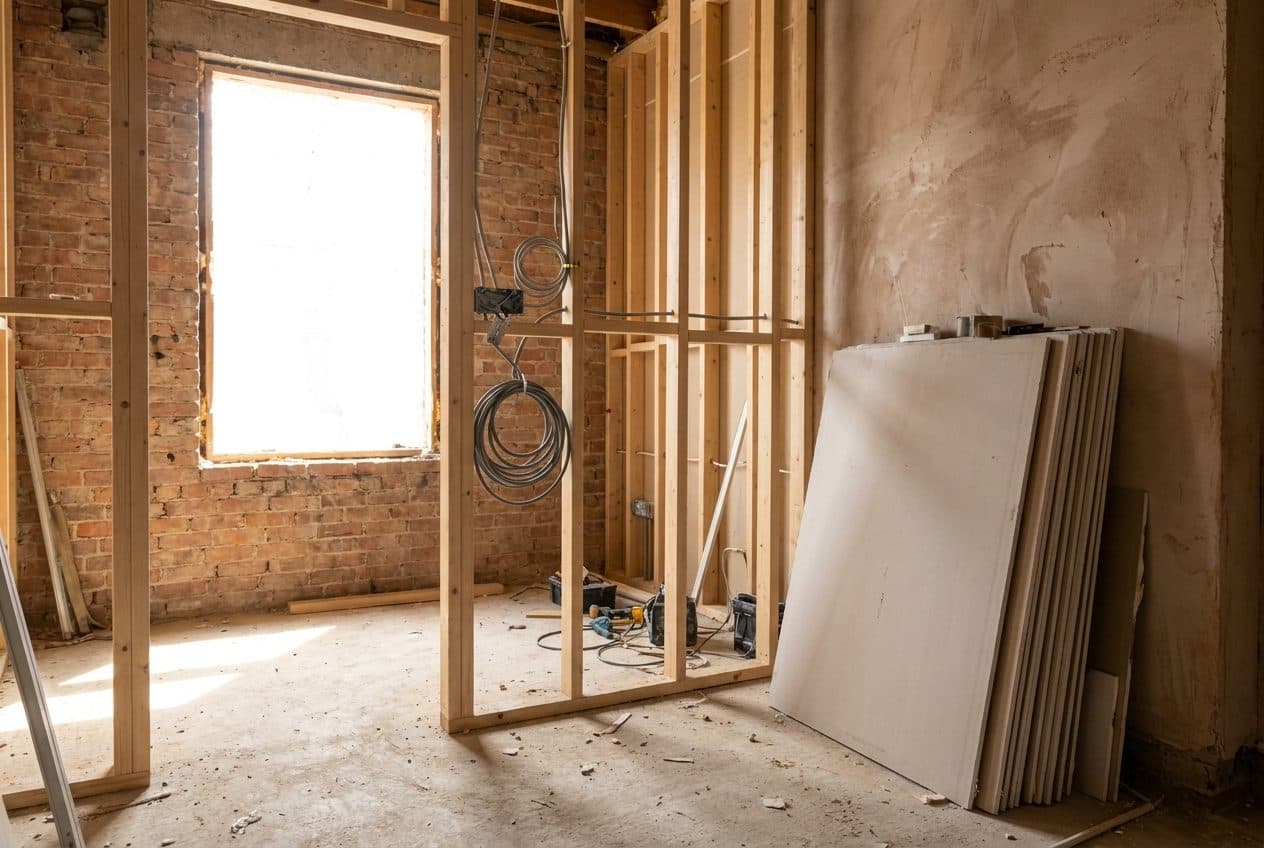
A schedule of works is the itemised, sequenced task list a contractor works from on site, and it is not the same document as a scope of works.
What is a schedule of works?
A schedule of works is a detailed, itemised list of tasks for a project, broken down by trade, room or location, sequence and target date. It tells whoever is on site what to do, in what order, and by when. It is a working document, not a summary. On a snagging or remedial job it is usually the list of every defect or item that needs fixing, sorted so trades are not tripping over each other.
Schedule of works vs scope of works
A scope of works sets the boundaries of a project. It says what is included, what is excluded, and what the end result should look like. It is written once, usually before pricing, and it is the reference point if there is a dispute about what was agreed.
A schedule of works sits inside that scope. It takes the agreed scope and turns it into the actual task list, with trades, sequencing and dates attached. Two contractors can agree the same scope of works and still produce very different schedules, because the schedule is about how the work gets done, not what work was agreed.
Most guides online treat the two terms as interchangeable, or focus only on scope of works. Schedule of works gets far less attention despite being the document contractors and site managers actually use day to day. If you are writing or requesting one, using the right term saves confusion at handover.
What a schedule of works should include
- Room or location for each task
- Trade responsible
- Description of the task or defect
- Any material or specification note
- Sequence or dependency (what has to happen first)
- Target date for completion
- Sign-off status once checked
Without sequencing and sign-off, a schedule of works is just a list. Those two fields are what make it usable on a live site rather than a filing exercise.
Where a schedule of works comes from
On remedial and snagging work, a schedule of works is usually built from a defect report. Someone walks the property, photographs each issue, and records it against a room and a trade. That raw list then gets sequenced and dated to become the schedule.
SayScope produces that grouped, room-by-room and trade-by-trade report directly from a site walk, which shortens the step from defect list to a working schedule. It does not replace the sequencing and sign-off work, but it removes the manual sorting that usually eats the first hour.
Schedule of works and defect timelines on new build
If the schedule of works comes out of a pre-completion inspection on a new build, timing matters. Under the New Homes Quality Code Version 2 (March 2026), the buyer has a right to a pre-completion inspection, either carried out by themselves using the NHQB checklist or by a professional from a recognised body such as CABE, CIOB, ICWCI, RICS or RPSA with professional indemnity insurance. Where issues breach warranty technical standards, the developer addresses them ideally before legal completion or within 30 days.
Separately, NHBC Buildmark cover runs for two years from legal completion, backed by a free NHBC resolution service in that period, then eight years of insurance against specified structural defects. A schedule of works produced after handover should note whether an item falls inside that two year window, since that affects who is chasing it.
Building a schedule of works that holds up
- 1Walk the site or property and record every defect or task with a photo
- 2Tag each item by room and by trade
- 3Group by trade so each contractor can see their own list in one place
- 4Sequence items where one task depends on another being finished first
- 5Set a target date against each item, not just the schedule as a whole
- 6Track sign-off as items are completed, not just at the end
- 7Keep a version so everyone is working from the same list, not an older copy