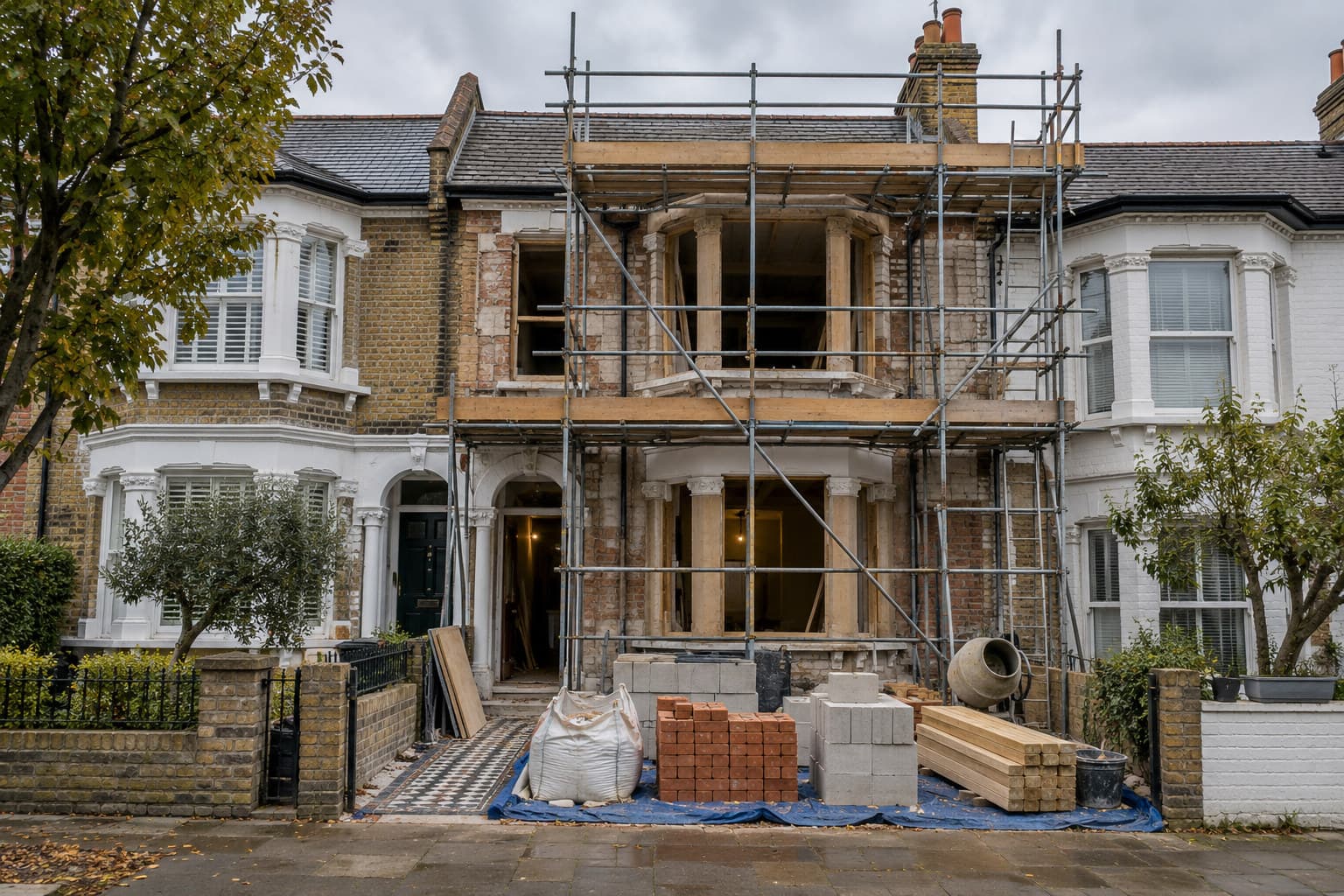
A builder complaint only moves forward once it is written down, dated, evidenced with photographs, and sent to the right address or the right first step, so this is where it actually goes and what has to be attached to it.
This is general information, not legal advice
Nothing here is legal advice, and it cannot tell you what a court, an adjudicator or your builder will decide or do. It sets out where a complaint goes and what to attach to it, using the rules that actually apply in England and Wales. If your dispute is contentious or high value, get advice specific to your situation.
Start with the builder, in writing
Before any complaint goes anywhere else, it goes to the builder. Write to them, by email or letter, describing each defect, where it is, and what you want done about it. Keep a dated copy. This written record is the foundation of everything that follows, because every later step, whether that is a price reduction, a claim, or court papers, depends on being able to show what was wrong, when you raised it, and what response you got.
Under the Consumer Rights Act 2015, section 49, a contract to supply a service is treated as including a term that the trader performs it with reasonable care and skill. Your complaint letter is effectively saying that term has not been met, so it should say so plainly against each item.
What has to be attached
A complaint without evidence is just an opinion. Attach the following to whatever you send, whether that is the first letter to the builder or a bundle for court later.
- Photographs of each defect, clearly showing what and where
- A short written description of each defect and why it falls short
- Dates: when the work was done, when you first noticed the defect, when you first raised it
- Copies of your contract, quote, or any written scope of works
- Copies of any correspondence with the builder about the issue
- An estimate of what it would cost to put right, if you have one
A report grouped by room and by trade, with each defect photographed and circled, is exactly this kind of evidence. SayScope exists for this: you walk the property, photograph and mark each defect, and speak what is wrong, and you leave with a report structured the way a builder, or a court bundle, expects to see it.
What you can ask for under the Consumer Rights Act
If the work falls short of the section 49 standard, the Consumer Rights Act 2015 gives you specific rights, in order.
- 1Section 55: you can require the trader to perform the service again, to complete it properly. They must do this within a reasonable time, without significant inconvenience to you, and must bear any necessary cost of labour or materials. This cannot be required if completing the work properly is impossible.
- 2Section 56: where repeat performance cannot be required, or the trader has not done it within a reasonable time and without significant inconvenience, you can require a price reduction instead. Any refund due must be paid without undue delay and within 14 days of the trader agreeing you are entitled to it, by the same means you paid, with no fee charged for making it.
State clearly in your complaint which of these you are asking for, and why. If you are asking for repeat performance, say what still needs doing. If you are asking for a price reduction, say what defect justifies it.
If your builder suggests adjudication
You may hear the word adjudication mentioned as a quicker route than court. Under the Housing Grants, Construction and Regeneration Act 1996, section 108, a party to a construction contract can refer a dispute to adjudication at any time, with a tight statutory timetable: the adjudicator is appointed and the dispute referred within 7 days of notice, and a decision is reached within 28 days of referral (or longer if agreed, or up to 14 days more with the referring party’s consent). The decision is binding until the dispute is finally resolved by legal proceedings, arbitration, or agreement.
If it ends up in court
If the complaint cannot be resolved directly and you bring a claim, most homeowner building disputes of this size fall under the small claims track, which under Civil Procedure Rules Part 27 generally covers claims not exceeding £10,000. A few things matter for how you prepare.
- No expert may give evidence, written or oral, at a hearing without the court’s permission (rule 27.5)
- The standard directions require each party to file and serve copies of all documents they intend to rely on at least 14 days before the final hearing
- The strict rules of evidence do not apply and the court need not take evidence on oath
This is why the bundle you build from the start matters. Photographs, dates, descriptions and correspondence, filed in good order, are the documents you will be relying on.
How long you have to act
Under the Limitation Act 1980, section 5, an action founded on simple contract cannot be brought after six years from the date the cause of action accrued. That is a long window, but it is not a reason to delay raising a complaint. The sooner you document the defect and put it to the builder in writing, the stronger your position if things do not get resolved informally.