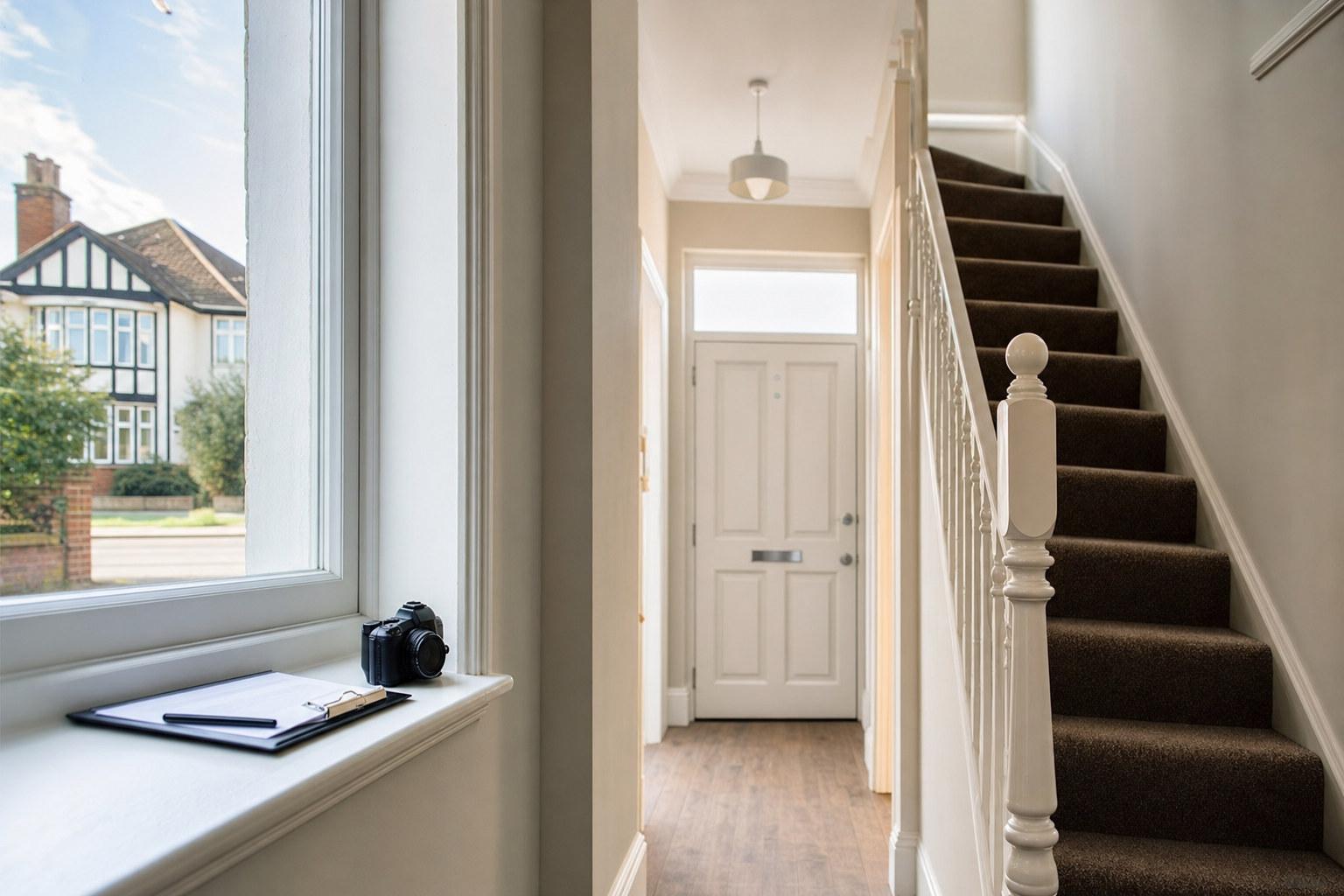
An inventory and schedule of condition is a dated, photographed record of a property’s contents and state at the start of a lease, and it is the single most useful document a tenant can have if a dispute arises at the end.
What the document actually is
An inventory lists what is in the property, room by room, furniture, fittings, appliances, keys. A schedule of condition describes the state of those items and of the fabric of the building itself, walls, floors, ceilings, fixtures, at a fixed point in time. Together they form the baseline that any end of tenancy comparison is measured against.
Without this baseline, a dispute over a deposit deduction comes down to one person’s memory against another’s. With it, there is a dated record, usually with photographs, that either side can refer back to.
Why it matters at lease start, not lease end
The temptation is to skip this at move-in, because everything looks fine and the last thing anyone wants is paperwork on moving day. That is exactly the wrong moment to skip it. Every mark, scuff, stain or worn patch that exists before you move your first box in is something you could otherwise be blamed for later.
- A scratch on a worktop that was already there
- A patch of damp on a bedroom wall behind where a wardrobe will sit
- A cracked tile in the bathroom
- Marks on carpet or a chip in a door frame
- The condition of blinds, curtains and any white goods included
Each of these, recorded and dated before you have lived there a single night, removes it from the list of things a landlord could later attribute to your tenancy.
How to do it properly
A good inventory and schedule of condition does not need to be a professional document, though many letting agents will provide one as part of the tenancy paperwork. What matters is that it is thorough, dated, and ideally agreed by both parties.
- 1Walk every room before you unpack, and photograph existing marks, stains, cracks or wear
- 2Check and note the condition of carpets, paintwork, appliances and any fixtures listed as included
- 3Test smoke alarms, taps, and anything electrical that is part of the let
- 4Note meter readings on the day you take the keys
- 5Send a copy to the landlord or agent and ask for written acknowledgement, even a short email reply is enough
- 6Keep your own copy somewhere it will not get lost, not just on a phone that might get replaced
What this has in common with dilapidations
At the other end of a commercial or residential lease, dilapidations claims work on exactly the same principle in reverse. A landlord assesses what state the property should have been returned in against what state it was handed over in, and the schedule of condition from the start of the lease is often the only thing that settles the argument over what counts as damage versus what was already there.
If you want to understand how that process works from the other side, see our guide to dilapidations.