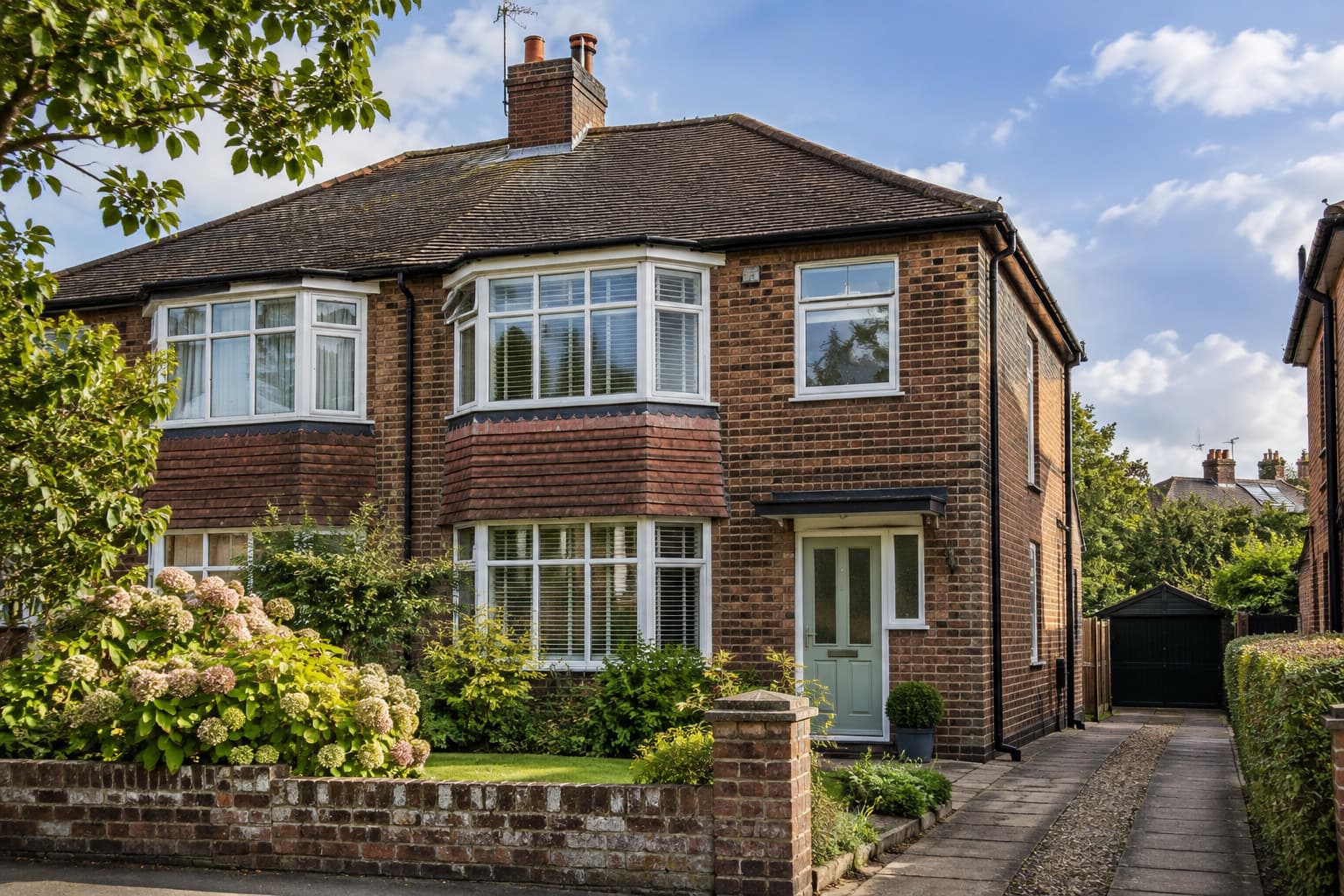
House snagging on a resale or older property means systematically checking every room for defects and disrepair, even though the warranty rules that apply to new builds don’t apply here.
Snagging isn’t just a new build word
Most people hear snagging and think of new build completions. But the same habit, walking a property room by room and writing down every defect, works just as well on a resale house, a buy to let, or a home you have owned for years and want to get in order before selling or letting.
The difference is what happens after you find the problems. A new build has a builder on the hook and, often, a warranty provider behind that. An older house does not. There is no defects liability period, no NHBC Buildmark cover, and no right to a pre-completion inspection under the New Homes Quality Code. Those protections are specific to new homes bought from a developer.
That does not make snagging pointless on an older house. It means the purpose shifts. You are not building a case to send to a builder. You are building a clear, dated record of condition, for your own planning, for negotiating a purchase price, for a landlord’s repairing obligations, or simply so nothing gets forgotten before it becomes expensive.
What to check in a house that is not new
A sensible walk-through covers the same ground as any snagging list, adjusted for age and wear rather than finish quality.
- Roof, guttering and downpipes, checked from ground level for slipped tiles, blocked gutters or staining below joints
- External walls and render for cracking, damp staining, or movement around window and door openings
- Windows and doors for draughts, condensation between panes, and whether they open and close properly
- Damp and ventilation, especially in bathrooms, kitchens and any room without an extractor fan
- Electrics, including the age and condition of the consumer unit and any visible old wiring
- Heating and hot water, service history if available, and any cold spots on radiators
- Floors, walls and ceilings for cracking that could be cosmetic settlement or something worth a second opinion
If you are buying, this list overlaps heavily with what a surveyor already checks in a HomeBuyer Report or building survey. Your own walk-through is not a replacement for that, but it gives you a photographed, room by room record to compare against the survey, and something concrete to raise with the seller or agent during negotiation.
Recording what you find
The value of any snagging exercise is in how clearly it is recorded. A photo on its own, taken weeks apart from a dozen others, is easy to lose track of. What actually holds up, whether you are negotiating a price, briefing a tradesperson, or just keeping your own file, is a photo of the defect with a note on what is wrong and where it is, grouped by room.
This is where an app built for the job, like SayScope, can save time over a notebook and a camera roll. You photograph the defect, circle it on the photo, hold a button and say what is wrong, and it comes out grouped by room and by trade. Visits are free and unlimited, and the first report each week is free too, with a cap of 10 items. If you need a bigger report, or a second one the same week, there are paid plans, but plenty of single-house walk-throughs fit inside the free tier.
When to bring in a professional
A DIY walk-through is good for spotting the obvious and building a record, but it is not a structural survey. If your own check turns up cracking that looks structural, significant damp, or roof issues you cannot assess from the ground, that is the point to bring in a surveyor or specialist rather than guessing. A professional snagging survey typically costs £300 to £600 depending on property size, which is worth weighing against the cost of missing something before you buy or sell.
For landlords and tenants, the equivalent exercise at the end of a tenancy is usually called dilapidations rather than snagging, and it follows a different process tied to the tenancy agreement and deposit scheme rather than a free-form defect list.