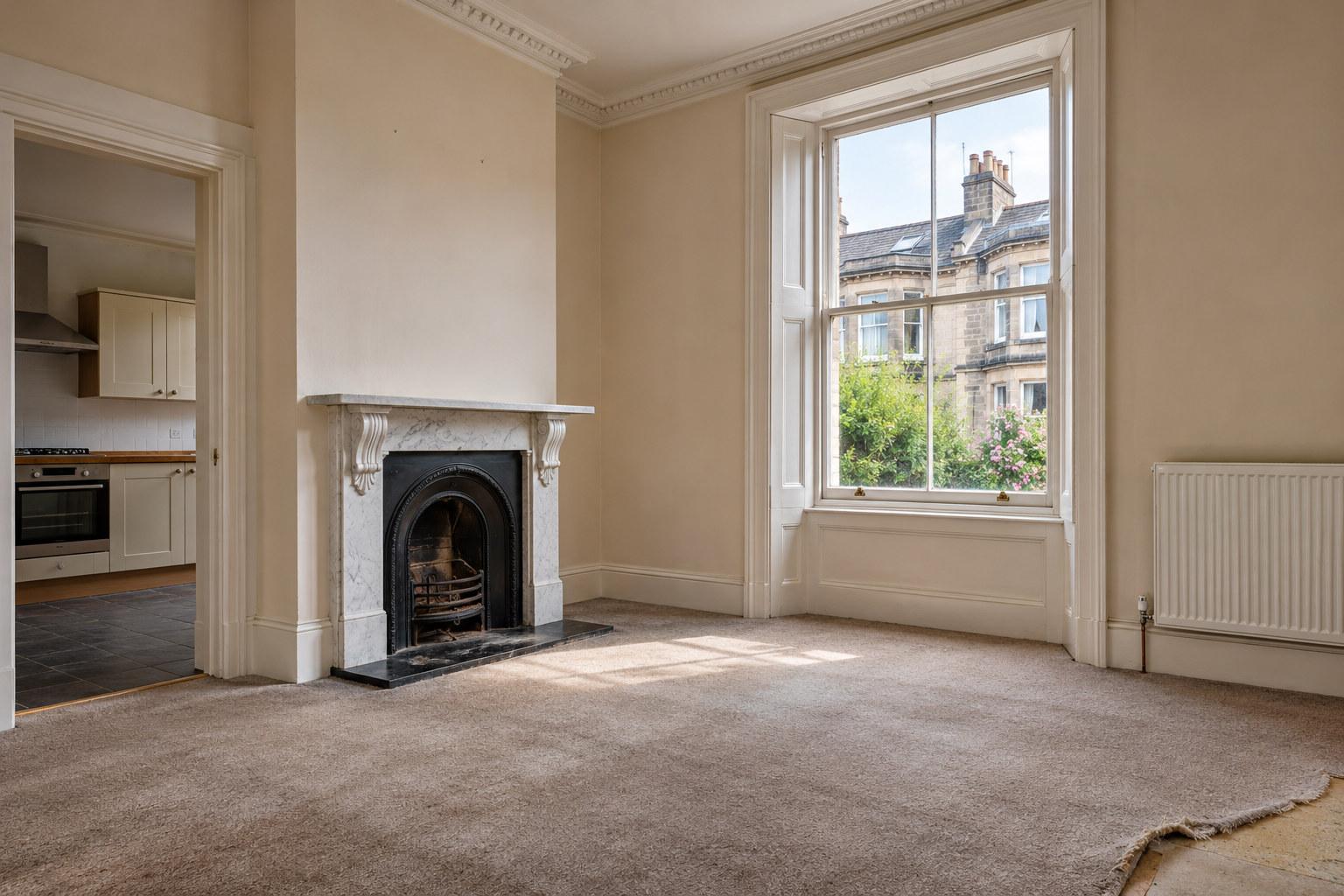
A check-in report for a tenancy is the dated, photographed record of a property’s condition before a tenant moves in, and it is the single document most likely to decide who keeps the deposit.
Why the check-in report matters more than the inventory
An inventory lists what is in the property. A check-in report records the condition of what is there, room by room, with photographs. When a tenancy ends and a dispute arises over cleaning, damage or wear, the adjudicator is not asking what was in the flat. They are asking what state it was in on day one, compared with what state it is in now. Without a dated, detailed check-in record, that comparison is just one person’s word against another’s.
For a homeowner letting out a property, this is the document that protects the deposit claim. For a homeowner moving into a rented home themselves, it is the document that stops a landlord from charging for marks that were already there.
What a usable check-in report actually contains
A report that holds up months later needs more than a few snaps on a phone. It needs structure that an adjudicator or a deposit scheme can follow without a site visit of their own.
- A photograph of every existing mark, scuff, stain or wear point, not just the obvious damage
- Each photo tied to a specific location, so a mark on the lounge skirting is not confused with one in the hallway
- A clear date stamp, since the whole point is proving condition at a specific moment
- Meter readings, keys handed over and the general cleanliness of the property
- Enough detail that someone who never visited the property can still follow the report
The circle-and-note method works well here. Photograph the defect or mark, circle the exact spot, and record a short spoken note describing what it is and where. That combination of photo, circle and description is what separates a usable report from a folder of loose images nobody can place.
Where disputes actually happen
Deposit disputes rarely turn on dramatic damage. They turn on ambiguity. Was that carpet stain there at check-in or not. Was the oven already scratched inside. Was the bathroom sealant already discoloured. These are small, specific, room-level questions, and the only answer is a photograph from the right date showing the right spot.
- Flooring and carpets, especially stains, burns and wear near doorways
- Kitchen appliances, worktops and any existing scratches or chips
- Walls and paintwork, including scuffs behind doors and furniture
- Bathroom sealant, grout and any pre-existing mould or damp staining
- Fixtures like blinds, handles and sockets that are already loose or damaged
If a report is grouped by room, each of these areas gets checked in turn rather than relying on memory at the end of a walk-through.
Doing the check-in yourself
There is no requirement to hire anyone for a tenancy check-in. Many landlords and letting agents do it themselves, and a homeowner moving into a rental can do the same on the other side of the transaction. What matters is consistency: the same format, the same level of detail, every room covered, nothing skipped because it looks fine at a glance.
Apps built for property inspections, such as SayScope, let you photograph each defect, circle it on the photo and speak a short note while you are standing in the room, then leave with a report already grouped by room. That removes the gap between walking the property and writing it up later from memory, which is where most weak check-in reports come from. Visits are free and unlimited, and each account can send one report a week at no cost, which covers a single check-in on a typical tenancy.
What to do with the report once it exists
Both parties should ideally see the report at or near move-in, so there is a chance to flag anything missed while memories are fresh. At check-out, the same rooms get photographed again, and the comparison between the two reports is what a deposit scheme adjudicator will actually look at. A report that was never shared, or was produced weeks after move-in, carries far less weight than one dated to the day the tenant collected the keys.